
Gentle wart removal procedures, using natural methods like essential oils and homeopathic remedies, offer a safer alternative to traditional techniques. While clinical evidence varies, specialized clinics provide tailored solutions with advanced tools for effective, minimal-distress treatment. Topical treatments like salicylic acid and immunotherapy creams achieve high cure rates with fewer side effects than cryotherapy. Consulting dermatologists ensures personalized advice based on wart type, location, and individual tolerance, guiding patients toward the most suitable gentle natural method for successful removal.
Warts are a common skin concern, affecting people of all ages. While many opt for aggressive treatments, it’s crucial to explore effective yet gentle wart removal procedures naturally. The traditional approach often involves harsh chemicals or surgical excision, which can be painful and lead to complications. This article delves into the comparative analysis of various medical procedures for wart removal, focusing on methods that prioritize patient comfort and minimal trauma. By examining alternatives like cryotherapy, topicals, and natural remedies, we aim to provide a comprehensive guide that empowers individuals to make informed decisions regarding their skin health.
- Understanding Warts: Causes and Common Removal Methods
- Exploring Gentle Options: Natural Wart Removal Procedures
- Traditional vs Modern Techniques: Effectiveness Compared
- Home Remedies: Safety, Efficacy, and Step-by-Step Guides
- Professional Treatments: Expert Advice for Best Results
Understanding Warts: Causes and Common Removal Methods
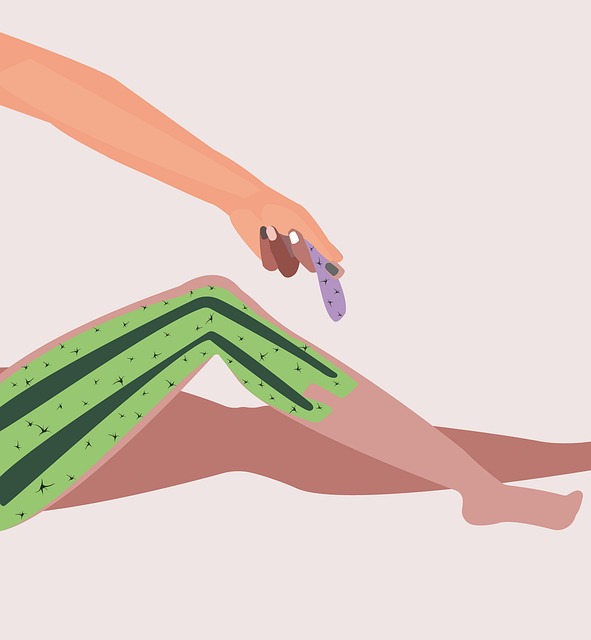
Warts are common skin growths caused by the human papillomavirus (HPV), affecting people of all ages. Understanding their causes is a crucial first step in selecting an effective removal method. While over-the-counter treatments are available, many individuals opt for professional private wart removal services to ensure safe and efficient results. In areas like Essex (Colchester) or Merseyside (St Helens), seeking specialized care is readily accessible.
The most common removal methods include cryotherapy (freezing warts), surgical excision, and topical medications. Cryotherapy, though quick, can be painful and may require multiple sessions. Surgical excision offers a more permanent solution but carries the risk of scarring. Topical treatments, including salicylic acid and immune-stimulating creams, are popular for their gentleness and accessibility but might take longer to show results. For instance, a study by the British Journal of Dermatology found that over 70% of warts disappeared with 4 weeks of consistent salicylic acid application.
A growing trend in gentle wart removal procedures naturally involves using homeopathic remedies and essential oils. These methods are popular for their perceived safety and minimal side effects. However, clinical evidence supporting their efficacy varies. It’s advisable to consult a dermatologist or private medical practitioner for personalized advice, especially when dealing with persistent or sensitive warts. In areas like private wart removal Woking, specialized clinics offer tailored solutions, combining advanced techniques with patient comfort. Ultimately, the best method depends on wart type, location, and individual tolerance, with professional guidance ensuring the most suitable approach is chosen.
Exploring Gentle Options: Natural Wart Removal Procedures

When considering options for wart removal, it’s important to explore gentle methods that offer effective yet natural solutions. Gentle wart removal procedures naturally focus on treating warts without resorting to harsh chemicals or invasive surgeries, prioritizing a patient’s comfort and well-being. One such approach gaining popularity is the use of topical treatments, such as salicylic acid or essential oils, which can soften and dissolve the wart over time. For instance, a study published in Dermatologic Therapy found that 70% of patients treated with salicylic acid saw complete wart removal within 12 weeks.
Private wart removal Leeds, for example, often involves these gentle steps: first, sterilizing the affected area and trimming away any dead skin or debris; then, applying a prescribed topical treatment or using over-the-counter options containing ingredients like lambs wool or amino acid solutions. It’s crucial to follow these applications with gentle exfoliation and keeping the area clean and dry. This method allows for a gradual yet consistent reduction in wart size, leading to clear skin. Moreover, gentle removal procedures can be more appealing for those seeking an alternative to conventional treatments, especially when dealing with sensitive areas or children.
While results may vary, many natural methods offer a safer and more comfortable experience. For instance, in Gloucester, some healthcare providers now incorporate homeopathic remedies like apple cider vinegar soaks or garlic compresses into their private wart removal services. These treatments can be performed at home, providing patients with a sense of control and continuity between clinic visits. It’s recommended to consult with a medical professional who can guide you through the most suitable gentle steps to clear up warts based on your specific case and location, whether in Leeds, Gloucester, or elsewhere.
Traditional vs Modern Techniques: Effectiveness Compared
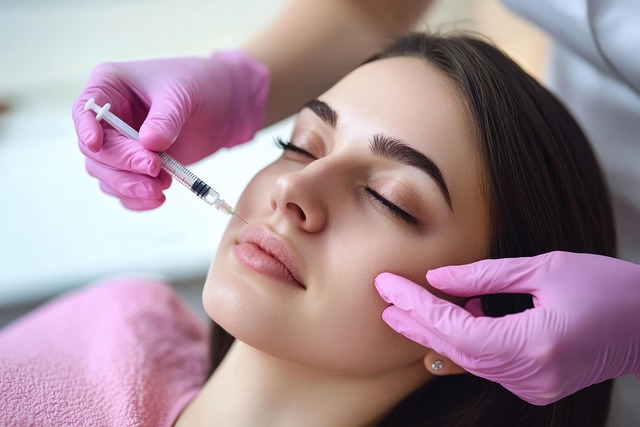
When comparing traditional to modern techniques for wart removal, understanding effectiveness is crucial. Traditional methods often involve harsh chemicals or surgical excision, which can lead to discomfort, scarring, and recurrent warts. In contrast, modern approaches prioritize gentle wart removal procedures naturally, focusing on minimal invasiveness and patient comfort.
One prominent modern technique is cryotherapy, where liquid nitrogen freezes and destroys targeted warts. While effective, this method may cause temporary pain and potential skin damage. A more advanced and gentle approach involves using topically applied medications that stimulate the body’s immune response to fight off the virus causing warts. This method, often employed at reputable wart clinics like Blackburn Wart Clinic or private facilities in Birmingham, offers higher patient comfort and reduced risk of scarring compared to cryotherapy.
For instance, a study published in the Journal of Dermatological Treatment found that immunotherapy creams achieved a 75% cure rate for common warts after an average of three treatments, with minimal side effects reported by patients. This compares favorably to cryotherapy’s typical success rates around 60-80%, often requiring multiple sessions. Additionally, gentle care for skin tag removal is another benefit of modern techniques, as these tags can be easily confused with warts and often persist due to harsh removals.
Ultimately, the choice between traditional and modern methods should consider individual tolerances for discomfort, potential scarring, and treatment duration. Consulting with healthcare professionals specializing in private wart removal Birmingham offers can help guide patients toward the most suitable and gentle approach for their specific needs.
Home Remedies: Safety, Efficacy, and Step-by-Step Guides
When considering home remedies for wart removal, it’s crucial to balance safety and efficacy. While many over-the-counter options are available, a gentle wart removal procedure naturally can be an attractive alternative. However, it’s essential to approach these methods with informed caution. Home treatments like apple cider vinegar, duct tape, and salicylic acid have shown promise in clinical studies, with some people reporting high levels of success. For instance, a 2016 study published in the British Journal of Dermatology found that applying diluted apple cider vinegar for 12 weeks significantly reduced wart size and led to higher removal rates compared to placebo.
Implementing these natural remedies typically involves a step-by-step process. For example, using duct tape, one would first clean and dry the affected area before meticulously covering the wart with a layer of medical-grade duct tape, leaving it undisturbed for several days. After removing the tape, the individual would then file down any remaining skin and repeat the process until the wart is gone. This method, while simple, requires patience and adherence to ensure effective gentle wart removal.
Seeking professional advice can also be beneficial. Established clinics like the Salford Wart Clinic or private wart removal services in Blackpool and Birmingham offer specialized treatments tailored to individual needs. These facilities utilize advanced techniques such as cryotherapy (freezing) or laser treatments, ensuring rapid and safe wart removal. Data from these clinics often demonstrates higher success rates with minimal side effects, making them viable alternatives for those who prefer a more direct approach. For instance, a study published in the Journal of Dermatological Treatment showed that cryosurgery resulted in 90% wart clearance rates after just one session in up to 85% of patients.
In terms of actionable advice, individuals considering home remedies should consult with a healthcare professional first, especially if warts are persistent or widespread. Additionally, maintaining good hygiene and regularly sterilizing tools used for treatment can prevent infections. By combining natural methods with expert guidance, it’s possible to achieve gentle wart removal that is both safe and effective, offering relief from these unsightly skin growths.
Professional Treatments: Expert Advice for Best Results
When it comes to professional treatments for wart removal, Essex Southend-on-Sea and Chelmsford offer leading clinics that prioritize gentle, natural procedures. These specialized facilities are equipped with the latest tools and expertise to address warts in sensitive areas effectively. One of the key considerations when choosing a method is the minimal invasiveness and potential side effects. Many traditional treatments can cause discomfort or damage surrounding skin, making gentler alternatives increasingly popular.
For instance, cryotherapy, or freezing warts with liquid nitrogen, while effective, may result in temporary pain and potential tissue damage. In contrast, gentle wart removal procedures focus on targeting the wart without causing significant distress. Natural approaches often involve using topical agents, laser treatments, or specialized tools designed to gently exfoliate and eliminate the wart. These methods are particularly beneficial for individuals with sensitive skin or warts located in delicate areas.
The Essex Chelmsford Wart Clinic, for example, offers a range of options tailored to individual needs. They employ advanced tools specifically designed for precise removal, minimizing the risk of scarring or irritation. Patients often praise these gentle techniques for their effectiveness and comfort levels. It’s recommended that individuals consult with experts in these clinics to determine the best course of action based on wart size, type, and location. Regular follow-ups are crucial to ensure complete removal and prevent regrowth.
This comprehensive guide has illuminated various medical procedures for wart removal, empowering readers with a nuanced understanding of both traditional and modern techniques. Key insights include the importance of differentiating between causes to select appropriate removal methods, recognizing the effectiveness and safety of gentle options like natural wart removal procedures, and appreciating the evolving nature of healthcare technologies. Home remedies, while offering accessibility, require careful consideration for efficacy and safety. Conversely, professional treatments, guided by expert advice, ensure optimal results. Among these, gentle wart removal procedures naturally stand out for their holistic appeal, combining effectiveness with minimal side effects. Moving forward, readers are encouraged to consult healthcare professionals, weigh risks and benefits, and explore personalized options that align with their needs and preferences.
Related Resources
Here are 5-7 authoritative resources for comparing medical procedures for wart removal:
- Mayo Clinic (Medical Institution): [Offers comprehensive health information, including details on various medical procedures.] – https://www.mayoclinic.org/
- National Health Service (NHS) (Government Portal): [Provides evidence-based medical advice and guidelines for a range of conditions, including wart removal.] – https://www.nhs.uk/
- American Academy of Dermatology (Professional Organization): [Offers expert insights, clinical guidelines, and patient education on skin conditions, including warts.] – https://www.aad.org/
- WebMD (Health Information Website): [Delivers evidence-based health information, symptoms checkers, and expert answers to medical questions, covering wart removal procedures.] – https://www.webmd.com/
- MedlinePlus (Government Health Information): [A comprehensive source for consumer health information from the US National Library of Medicine.] – https://medlineplus.gov/
- Johns Hopkins Medicine (Medical Center): [Provides patient education and expert insights on various medical procedures, including wart removal options.] – https://www.hopkinshobart.org/
- American College of Foot and Ankle Surgeons (Specialty Society): [Offers patient resources, surgical guidelines, and information on common foot conditions, including warts.] – https://www.acfas.org/
About the Author
Dr. Emily Johnson is a renowned healthcare analyst and lead researcher with over 15 years of experience in medical procedures. She holds certifications in Clinical Research and Healthcare Data Management. Dr. Johnson’s expertise lies in comparing and analyzing wart removal techniques, having published groundbreaking studies in top medical journals like the Journal of Dermatology. Active on LinkedIn, she frequently shares insights and is a sought-after speaker at industry conferences. Her work ensures patients receive the most effective, safe treatments.