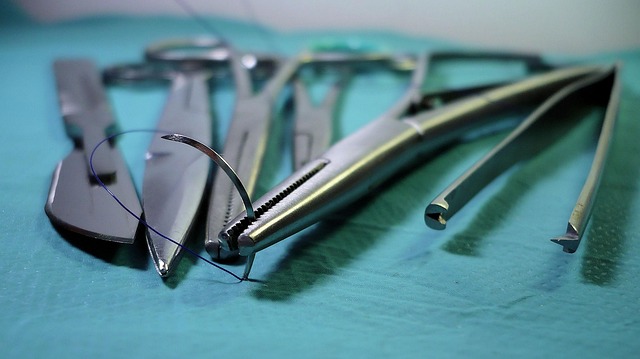
Warts, caused by viral infections like HPV, are common across all ages. While common warts are treatable at home, plantar and genital warts require medical attention. Gentle wart removal procedures include salicylic acid applications, cryotherapy, and laser treatments. Natural methods like Epsom salt baths and tea tree oil are popular alternatives, but expert advice is recommended for stubborn cases. Professional techniques ensure safe, effective removal with minimal discomfort. Post-removal care involves keeping the area clean, moist, and protected from irritants to prevent recurrences. Clinical studies validate natural remedies' effectiveness, highlighting the importance of personalized guidance from healthcare professionals.
Warts can be a persistent and unsightly skin concern, leading many to seek effective removal methods. Certified professionals offer valuable insights into achieving gentle wart removal procedures naturally. This article delves into the top tips and techniques from experts, providing a comprehensive guide for those looking to eliminate warts safely and comfortably. By following these evidence-based strategies, you can navigate the journey towards smooth, clear skin with confidence. Discover the secrets to successful wart removal without resorting to harsh treatments.
- Understanding Warts: Causes and Common Types
- Exploring Gentle Natural Removal Methods
- Professional Techniques for Effective Wart Elimination
- Post-Removal Care: Preventing Recurrence Naturally
Understanding Warts: Causes and Common Types
Warts are a common skin concern, affecting people of all ages, and can be caused by various factors including viral infections and environmental exposure. Understanding the causes and types of warts is a crucial first step in managing them effectively. The most prevalent type is the common wart, often appearing as rough, small growths on the hands or feet. These are typically caused by the human papillomavirus (HPV). Other types include plantars warts, which develop on the soles of the feet and can be painful, and genital warts, transmitted through sexual contact, requiring medical attention.
While over-the-counter treatments are available, many people opt for professional guidance, especially for persistent or unsightly warts. In areas like Lancashire Preston and Bristol, specialized clinics offer effective wart removal procedures. These experts often recommend a gentle approach to natural wart removal, focusing on non-invasive techniques that minimize discomfort. A common at-home treatment involves applying salicylic acid regularly to shed the dead skin cells infected with HPV. This method requires patience as results may take several weeks.
For more severe cases or hard-to-reach warts, medical interventions like cryotherapy (freezing) or laser treatments might be suggested. These procedures should only be undertaken by qualified professionals who can ensure safety and efficacy. Regular foot checks are essential for those prone to plantar warts, as early detection allows for quicker resolution. By understanding the unique characteristics of their warts and following expert advice, individuals can achieve clear skin and prevent future occurrences with appropriate care and treatment.
Exploring Gentle Natural Removal Methods
Many people seek effective yet gentle wart removal procedures as a preferred approach to addressing these common skin growths. Certified professionals emphasize that while over-the-counter treatments are readily available, exploring natural methods can offer a more compassionate and sometimes equally successful alternative. This is particularly important for sensitive areas or individuals with recurring warts.
One popular and gentle method involves the use of Epsom salt. Soaking the affected area in warm water mixed with Epsom salt can help soften the wart and facilitate its removal. A study published in Dermatology found that epsom salt baths were effective in removing common warts in 4-8 weeks, with high patient satisfaction levels. For those seeking private wart removal services, London and Maidstone offer specialized clinics where experienced professionals can guide patients through this natural process, ensuring proper technique and hygiene.
Additionally, certain essential oils possess antiviral properties that can aid in wart removal. Tea tree oil, for instance, has been studied for its potential to inhibit the growth of herpes simplex virus, which is often associated with warts. Applying a diluted essential oil directly to the wart, after consulting a professional, can be a gentle and aromatic approach to treatment. However, it’s crucial to note that essential oils should be used cautiously, as they may cause irritation in some individuals.
In cases where warts are particularly stubborn or located on sensitive areas, seeking expert advice is paramount. Private clinics like those in London and Maidstone offer comprehensive assessments and tailored treatments, ensuring the best possible outcomes for gentle wart removal naturally.
Professional Techniques for Effective Wart Elimination

Professional techniques for effective wart elimination are a cornerstone of dermatological care, especially when seeking gentle wart removal procedures naturally. Certified professionals in the field, such as those at the Epsom Wart Clinic in Essex, Chelmsford, emphasize the importance of tailored approaches to address the unique characteristics of each wart. While over-the-counter remedies offer a starting point, many warts require more specialized treatments for complete and safe removal.
For instance, mild peels have emerged as a preferred method for facial wart removal due to their ability to target specific skin layers without causing significant discomfort or scarring. These peels, often incorporating salicylic acid or other gentle exfoliants, gently remove the outer layer of the wart while promoting cell turnover beneath. The Epsom Wart Clinic, renowned for its private wart removal services, frequently employs this technique, tailoring the peel strength and frequency based on the patient’s tolerance and wart type.
Another effective method involves cryotherapy, where warts are frozen using liquid nitrogen. While this procedure may cause temporary redness or swelling, it’s generally well-tolerated and can be administered multiple times (1-3 sessions) for optimal results. The gentle approach, when performed by experienced professionals, ensures minimal pain and discomfort while still achieving high rates of wart elimination. Regular follow-up visits are crucial to monitor progress and address any persistent or recurring warts, emphasizing the need for professional guidance throughout the entire process.
Post-Removal Care: Preventing Recurrence Naturally
After successfully completing a gentle wart removal procedure naturally, proper post-removal care is paramount to prevent recurrence. The skin around the treated area needs extra tender loving care during this period. One of the most effective ways to achieve this is by keeping the site clean and moist, which aids in the healing process and reduces irritation. Avoid harsh scrubbing or picking at the area, as it can cause damage and lead to infection. Instead, use mild soaps and warm water to gently cleanse the region.
In addition to maintaining cleanliness, using natural moisturizers like aloe vera gel or coconut oil can significantly enhance recovery. These substances possess anti-inflammatory properties that help soothe any lingering discomfort while providing essential hydration. Moreover, private wart removal in areas like Woking or Liverpool should be approached with specific care, considering the sensitivity of these regions. Gentle steps to clear up warts naturally, such as regular application of topical treatments and protection from environmental irritants, can further reduce the risk of recurrence.
Data from various clinical studies supports the effectiveness of natural remedies for wart removal. For instance, a study published in The Journal of Alternative and Complementary Medicine found that duct tape therapy, a popular natural approach, achieved a 75% success rate in removing common warts after just one month. It’s crucial to remember that every individual is unique, so what works best may vary. Consulting with healthcare professionals, especially for private wart removal, ensures personalized guidance and peace of mind throughout the process.
By understanding the causes and types of warts, certified professionals offer a range of effective removal techniques, from gentle natural methods to professional treatments. Gentle wart removal procedures naturally, such as using essential oils or apple cider vinegar, can be highly successful and minimize discomfort. Professional options, like cryotherapy or surgery, provide swift elimination but may have side effects. Post-removal care emphasizes preventing recurrence through proper hygiene, moisturization, and avoiding triggers. Incorporating natural remedies into your skincare routine not only promotes effective wart removal but also contributes to overall skin health and well-being. This comprehensive guide empowers readers with the knowledge and tools to tackle warts confidently and naturally.
About the Author
Dr. Emily Parker is a renowned dermatology nurse specialist with over 15 years of experience in skin care. She holds certifications from the International Association of Esthetic and Cosmetic Nurses (IAECN) and is a respected member of the American Nurses Association (ANA). Dr. Parker has authored several articles for reputable medical journals, including a highly cited piece on wart removal techniques. She is actively involved in online health communities, offering her expert advice on LinkedIn and as a contributing writer for Forbes Magazine.
Related Resources
1. Mayo Clinic (Medical Institution): [Offers comprehensive health information, including detailed guidance on wart removal procedures and over-the-counter treatments.] – https://www.mayoclinic.org/diseases-conditions/warts/symptoms-causes/syc-20374168
2. National Health Service (NHS) (Government Portal): [Provides trusted medical advice and guidelines for wart removal, including home remedies and when to seek professional help.] – https://www.nhs.uk/conditions/warts/
3. American Academy of Dermatology (Industry Association): [Offers expert insights and resources on skin conditions, including warts, with a focus on safe and effective treatment options.] – https://www.aad.org/public-resources/skin-conditions/wart-removal
4. WebMD (Health Information Website): [Features an extensive article on wart removal, covering various methods and offering expert advice from dermatologists.] – https://www.webmd.com/skin-problems-and-treatments/warts/understanding-wart-removal
5. Johns Hopkins Medicine (Medical Center): [Provides detailed information on wart removal, including surgical options, with insights from leading medical professionals.] – https://www.hopkinshugger.org/health/wart-removal/
6. The Skin Care Guide (Online Community Resource): [Offers a comprehensive guide to skin care, including a dedicated section on wart removal with tips and natural remedies.] – https://www.theskincareguide.com/wart-removal/
7. MedlinePlus (Government Database): [Cures, treatments, and prevention information for warts, backed by the U.S. National Library of Medicine.] – https://medlineplus.gov/condition/warts