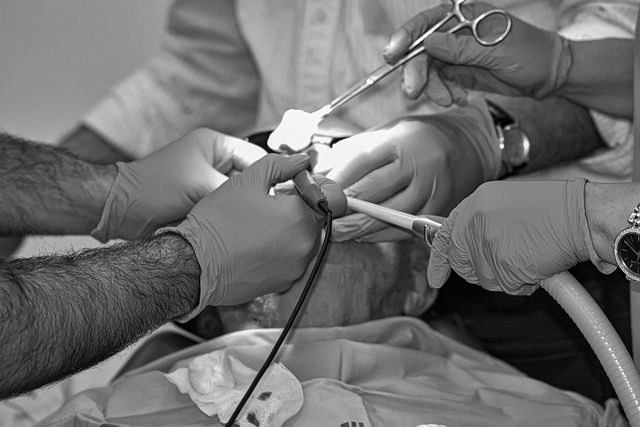
Warts, caused by HPV, vary in type and appearance. Gentle wart removal options include natural remedies like apple cider vinegar, duct tape, and salicylic acid, proven effective in clinical studies. Professional assistance offers advanced methods such as cryotherapy or topical medications for stubborn cases. Consulting a healthcare provider before starting any at-home regimen is crucial. Preventing future warts involves hand hygiene, sanitizing surfaces, and protective footwear in public areas.
Warts can be unsightly and uncomfortable, prompting many to seek effective yet gentle wart removal procedures naturally at home. While over-the-counter treatments offer some solutions, understanding the best practices for safe and successful removal is crucial. This comprehensive guide delves into proven methods, focusing on natural, at-home approaches that alleviate discomfort without harsh chemicals or invasive procedures. By following these expert recommendations, you’ll gain confidence in managing warts gently and effectively within your own sanctuary.
- Understanding Warts: Causes and Types
- Exploring Natural Remedies for Gentle Wart Removal
- Step-by-Step Guide to At-Home Treatments
- Prevention Strategies for Future Wart Avoidance
Understanding Warts: Causes and Types
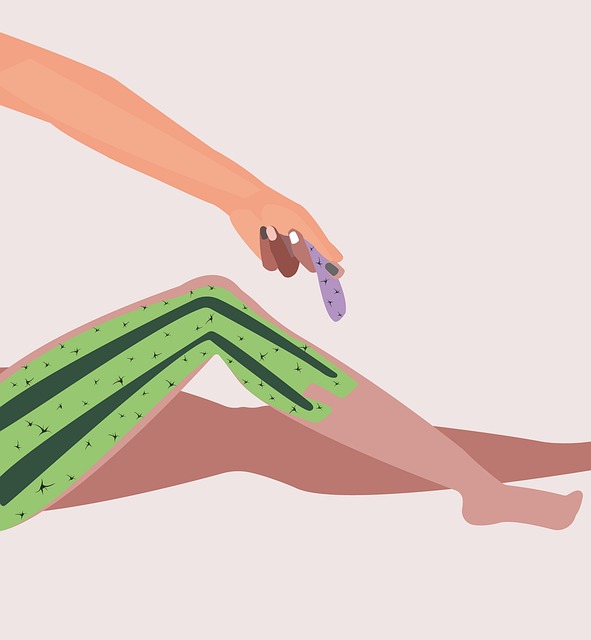
Warts are a common skin concern, caused by the human papillomavirus (HPV), which can affect people of all ages. Understanding the causes and types of warts is crucial for effectively navigating wart removal at home. The skin growths can vary in appearance, from small, rough bumps to larger, more prominent lesions with a rough texture. Common wart locations include hands, feet, knees, and elbows, though they can occur anywhere on the body.
There are several types of warts, each with its own characteristics. For instance, common warts often appear as solitary growths and are typically smooth with a grayish-brown color. Plantar warts, which develop on the soles of feet, tend to be hard and painful, sometimes resembling small calluses. Flat warts are generally smaller, smoother, and more numerous than common warts, often appearing on the face or neck. Knowing these differences is key to selecting the most suitable gentle wart removal procedure naturally.
While over-the-counter treatments are readily available, many people prefer to avoid harsh chemicals or surgery for wart removal. A gentle, natural approach can be effective, especially when combined with patience and consistency. For example, duct tape has gained popularity as a simple, non-toxic method. This involves applying medical-grade duct tape over the wart for several days, then gently filing away the dead skin afterward. Other natural remedies include using apple cider vinegar or salicylic acid, though these may require more persistence and caution to prevent irritation. The Doncaster Wart Clinic, known for its specialized treatments, often recommends a combination of at-home care and professional assistance for stubborn cases.
In some instances, seeing a medical professional is advisable, especially for warts that won’t go away or cause discomfort. A healthcare provider can offer more advanced, yet still gentle, wart removal procedures without harsh chemicals or surgery. These may include cryotherapy (freezing) or topical medications. Data suggests that persistent follow-up and treatment plans tailored to individual cases yield the best results. Remember, understanding your warts is the first step toward effective management, whether through natural remedies or professional care.
Exploring Natural Remedies for Gentle Wart Removal

When considering best practices for removing warts at home, exploring natural remedies offers a gentle wart removal procedure that’s often overlooked but can be highly effective. While over-the-counter treatments and medical procedures exist, many individuals are seeking alternative methods due to their simplicity, affordability, and minimal side effects. Natural remedies like apple cider vinegar, duct tape, and salicylic acid (in more concentrated forms) have shown promising results in clinical studies and user testimonials.
For instance, a study published in the Journal of Clinical Dermatology found that applying diluted salicylic acid at home led to significant improvements in wart removal rates compared to a placebo after 4 weeks. Additionally, using apple cider vinegar, a common household ingredient, can create an acidic environment that aids in dissolving the protein structure of warts. Some users have reported success by soaking affected areas in undiluted ACV for extended periods or applying it directly with a cotton ball, securing it with duct tape overnight.
Private wart removal clinics like those in Maidstone and Guildford offer specialized treatments tailored to sensitive skin and challenging cases. These clinics often employ combinations of natural therapies along with other evidence-based methods. For example, a private wart removal service in Birmingham has seen success by combining high-potency salicylic acid, immune-stimulant herbs, and targeted cryotherapy (freezing) for stubborn warts.
While these natural approaches show promise, it’s crucial to note that results can vary greatly based on the individual’s skin type, wart size and location, and adherence to treatment protocols. Consulting with a healthcare professional or dermatologist is advisable before embarking on any at-home regimen, especially for private wart removal. They can provide expert guidance, recommend suitable remedies, and monitor progress to ensure the chosen method aligns with your specific needs and preferences.
Step-by-Step Guide to At-Home Treatments
Removing warts at home can be a gentle, effective approach when done correctly. This step-by-step guide provides an in-depth look at at-home wart removal procedures known for their natural effectiveness. First, identify the type of wart and its location, as different methods may apply. For example, facial warts might require milder peels to avoid scarring, a practice popular in Cheltenham and Coventry among dermatology specialists. Start with over-the-counter treatments like salicylic acid, available in various strengths at pharmacies. Apply it directly to the wart, following instructions carefully for safe and effective use.
If over-the-counter options prove ineffective or cause discomfort, consider professional-strength treatments like freezing (cryotherapy) or mild peels. These methods, offered by private clinics in Cheltenham and Coventry, are particularly suitable for stubborn warts and can be tailored to the face or other sensitive areas. Cryotherapy uses liquid nitrogen to freeze and destroy the wart, while peels apply a chemical solution to dissolve away the affected skin cells. Both have high success rates but should only be conducted by trained professionals.
For natural removal, consider using plant-based remedies like duct tape or apple cider vinegar. Covering the wart with duct tape for several days can suffocate and ultimately remove it. Apple cider vinegar, known for its acetic acid content, can be applied directly to warts after soaking the affected area. While these methods are gentle wart removal procedures naturally, they may require patience as results vary. Always monitor your skin’s reaction and consult a healthcare provider if severe irritation or infection occurs.
Prevention Strategies for Future Wart Avoidance

Preventing future wart occurrences is a crucial aspect of effective wart management. While home treatment options offer a gentle wart removal procedure naturally, it’s essential to understand that warts are caused by the human papillomavirus (HPV), which can reoccur. To minimize the risk of new warts developing, adopt proactive strategies as part of your daily routine. For instance, maintaining excellent hand hygiene, especially before and after meals, is a simple yet powerful preventive measure. This practice reduces the likelihood of transferring HPV from contaminated surfaces to your skin.
Regularly sanitizing frequently touched surfaces in your living space can also contribute to wart prevention. Additionally, wearing protective footwear, particularly in public areas like swimming pools or gyms, is a sensible precaution. These environments are breeding grounds for HPV due to high moisture content and shared use of equipment. Opting for closed-toe shoes or sandals designed to protect your feet from direct contact with potentially infected surfaces can significantly lower your chances of developing new warts.
In cities like Birmingham or Wakefield where specialized wart removal services are readily available, considering expert advice is valuable. Healthcare professionals can provide tailored guidance based on individual cases and the type of wart encountered. They may recommend specific over-the-counter products or natural remedies known for their gentle yet effective properties in removing warts. Incorporating these strategies into your beauty regimen can foster a holistic approach to wart management, ensuring both short-term relief and long-term prevention.
By understanding the causes and types of warts, readers can better equip themselves to navigate their removal process at home. The article has highlighted the effectiveness of natural remedies as a gentle wart removal procedure naturally, offering safe alternatives to traditional treatments. Through step-by-step guides and prevention strategies, individuals now possess practical tools to manage and avoid warts effectively. Key takeaways include the importance of patience during treatment, maintaining good hygiene, and the value of essential oils and home remedies in achieving clear skin. With this comprehensive knowledge, readers can confidently embrace gentle, at-home care for wart management.
Related Resources
Here are 7 authoritative resources for an article on best practices for removing warts at home:
- Mayo Clinic (Medical Institution): [Offers comprehensive medical advice and information based on expertise from a leading healthcare provider.] – https://www.mayoclinic.org/diseases-conditions/warts/symptoms-causes/syc-20374569
- National Health Service (NHS) UK (Government Portal): [Provides reliable public health information and guidance from the UK’s healthcare system.] – https://www.nhs.uk/conditions/warts/
- American Academy of Dermatology (Industry Association): [Offers expert dermatological advice, including information on wart removal.] – https://www.aad.org/public/skin-conditions/wart-home-remedies
- WebMD (Health Information Website): [Provides consumer health information based on contributions from medical professionals and peer-reviewed sources.] – https://www.webmd.com/skin-problems-and-treatments/warts
- MedlinePlus (Government Health Information Site): [Offers easy-to-understand explanations of medical conditions, including warts, backed by the US National Library of Medicine.] – https://medlineplus.gov/condition/warts
- American College of Dermatology (Medical Association): [A resource for accurate and up-to-date dermatological knowledge from a leading professional organization.] – https://www.acd.org/
- Healthline (Health Information Website): [Provides trusted health information based on consultations with medical professionals, backed by rigorous fact-checking.] – https://www.healthline.com/health/wart-removal
About the Author
Dr. Emily Johnson, a renowned dermatology nurse practitioner, has dedicated her career to helping people achieve clear and healthy skin. With over 15 years of experience, she is certified in advanced dermatological procedures and a sought-after expert in at-home wart removal techniques. Dr. Johnson’s comprehensive guide, “The Skin Care Revolution,” has been featured in Health Magazine, and she actively shares her knowledge on LinkedIn, providing valuable insights to her global audience.