
Gentle wart removal procedures offer less invasive options with modern methods backed by clinical trials. Natural remedies like apple cider vinegar and banana peels provide pain-relieving alternatives. Pre-treatment skin preparation minimizes discomfort during removal. Healthcare professionals guide tailored treatments, from topical applications to advanced laser therapy. Post-removal care ensures healing, prevents recurrence, and includes natural approaches for optimal results.
Wart removal procedures can often be painful and uncomfortable for patients, impacting overall well-being. This article delves into effective strategies to alleviate pain during these treatments, focusing on gentle wart removal procedures naturally. By exploring alternative methods and evidence-based practices, healthcare providers and individuals alike can navigate this process with reduced distress. We will discuss topical solutions, minimally invasive techniques, and holistic approaches that offer not just efficacy but also a more comfortable experience. Through this comprehensive guide, readers gain valuable insights to enhance patient care and outcomes.
- Understanding Wart Removal: Common Methods and Their Impact
- Choosing Gentle Approaches: Natural Remedies for Painless Removal
- Pre-Treatment Care: Preparing the Skin for Minimized Discomfort
- The Procedure Step-by-Step: A Calm, Controlled Process
- Post-Removal Management: Accelerating Healing and Preventing Recurrence
Understanding Wart Removal: Common Methods and Their Impact
Wart removal procedures can often be a source of discomfort and pain, but understanding the various methods available allows for more informed decisions to mitigate this. Common approaches include surgical excision, cryotherapy (freezing), laser treatments, and natural remedies. Each method has its advantages and potential drawbacks, with gentle wart removal procedures naturally gaining traction for their minimal invasiveness and reduced pain levels.
For instance, while surgical excision can be highly effective, it typically involves slicing off the wart, causing local anaesthetic to be required in most cases. Cryotherapy, or freezing warts, is swift but can result in temporary sensitivity and discomfort as the treated area thaws. Laser treatments offer precision but are generally more expensive and may not be covered by standard healthcare plans. In contrast, gentle wart removal procedures naturally focus on less aggressive techniques, such as using salicylic acid over several weeks or applying certain natural oils like tea tree oil, which have anti-viral properties and can help dissolve the wart gently.
Private wart removal services in cities like Leicester, Leeds, and Birmingham offer a range of options tailored to individual needs. These clinics often provide advanced treatments while ensuring patient comfort through modern techniques and expert care. For example, some private practices use a method called dermaplaning, which involves gently scraping off the top layer of skin containing the wart with a fine blade, followed by application of topical medications. This approach is considered gentle compared to surgical excision or cryotherapy.
Data from clinical trials supports the effectiveness and safety of these modern, less invasive methods, showing high success rates for wart removal without significant side effects. However, it’s crucial to consult healthcare professionals before attempting any removal method, especially for stubborn or widespread warts. They can provide guidance on the best course of action, whether that involves a gentle wart removal procedure naturally or a more targeted approach, ensuring optimal results and minimal pain.
Choosing Gentle Approaches: Natural Remedies for Painless Removal

Many individuals seeking wart removal often look for ways to minimise discomfort associated with traditional procedures. While medical interventions offer effective solutions, there’s a growing interest in gentle wart removal procedures naturally as an alternative approach. This trend is especially prominent in urban areas like Newcastle, Leeds, and Oxford, where accessibility to healthcare services is high, yet patients desire more comfortable options.
Gentle wart removal methods focus on leveraging natural remedies and homeopathic treatments to eliminate warts without resorting to harsh chemicals or surgical procedures. For instance, salicylic acid, a common ingredient in over-the-counter wart removers, can be replaced with alternative ingredients like apple cider vinegar or banana peels, which have been shown to soften and dissolve the outer layers of skin containing the virus. These natural remedies are often more gentle on the affected area and reduce potential side effects such as irritation or blistering commonly experienced during conventional treatments.
Consulting specialists in wart removal Oxford, Leeds, or Newcastle can provide valuable insights into tailored natural treatment plans. These professionals can guide individuals through various methods, including topical applications, bandage therapy, and even immune-stimulating options. For example, a specialist might recommend applying a mixture of garlic extract and olive oil, known for their antiviral properties, directly to the wart several times daily. Alternatively, covering the wart with a bandaid overnight can enhance healing by protecting the area and promoting blood flow.
While natural gentle wart removal procedures offer promising pain-relief, it’s crucial to approach them with realistic expectations. Results may vary depending on the individual’s immune response and the virus type. Additionally, some natural remedies require consistent application over several weeks or even months for optimal results. Patience, adherence to treatment plans, and regular consultation with specialists in your area are key to achieving successful and painless wart removal naturally.
Pre-Treatment Care: Preparing the Skin for Minimized Discomfort

Preparing the skin before a wart removal procedure is an often-overlooked yet crucial step in minimizing discomfort during and after treatment. This pre-treatment care involves a combination of topical applications and lifestyle adjustments designed to strengthen the skin’s natural defenses while maintaining its delicate balance. For instance, using gentle, natural exfoliants like sugar scrub or aloe vera gel can help soften the wart and reduce friction during removal, thereby lessening pain.
In cities known for their expertise in cosmetic procedures like Wart Removal Birmingham, Cosmetic Wart Removal Oxford, and Cosmetic Wart Removal Liverpool, professionals prioritize patient comfort. They often recommend starting a pre-treatment routine several weeks prior to the actual procedure. This might include daily applications of emollients to hydrate the skin, reducing dryness that can make warts more painful to remove. Additionally, incorporating antioxidants like Vitamin E through topical creams or oral supplements can enhance skin healing and reduce inflammation associated with wart removal.
Beyond topical care, optimizing overall health is vital. Adequate sleep, regular exercise, and a balanced diet rich in vitamins and minerals support the body’s natural immune response, making it more effective at combating warts. Maintaining good hygiene practices, such as regularly washing hands and keeping the affected area clean, also prevents further skin irritation and infection. These proactive measures not only facilitate a smoother gentle wart removal procedure naturally but also contribute to faster recovery and reduced discomfort afterwards.
The Procedure Step-by-Step: A Calm, Controlled Process
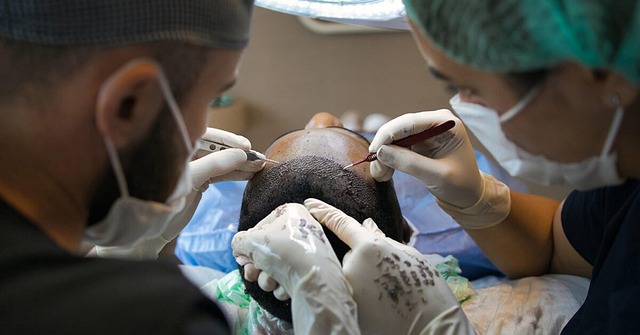
Removing warts can be a source of discomfort, but with a calm and controlled approach, it needn’t be a painful procedure. Many individuals seek gentle wart removal procedures naturally, especially when traditional methods seem intimidating. It’s important to remember that professional care is readily available if needed, with services like wart removal near me Reading and Wart Removal Liverpool offering advanced treatments.
The process of wart removal begins with a consultation where a healthcare provider assesses the type and size of the wart. They will discuss your medical history and determine the best course of action. For minor warts, a gentle approach using natural remedies or topical treatments may be recommended. These methods aim to boost the immune system’s response to the virus causing the wart, eventually leading to its disappearance.
During the procedure, local anesthesia can be applied to numb the area, ensuring a more comfortable experience. A healthcare professional might use specialized tools to carefully remove the wart by freezing (cryotherapy), burning (cauterization), or scraping (dermabrasion). Each method has its advantages and is chosen based on the wart’s characteristics. For instance, cryotherapy is effective for small warts and involves freezing the lesion with liquid nitrogen. Following the procedure, over-the-counter medications or bandages may be suggested to aid healing and prevent infection.
In cases where warts are more persistent or on sensitive areas, medical professionals like those available at Wart Removal near me Glasgow can offer advanced treatments such as laser therapy or immune-stimulating injections. These options provide precise targeting and may offer faster results, but they should be discussed thoroughly with a qualified practitioner who can guide you through the best course of action for your specific situation.
Post-Removal Management: Accelerating Healing and Preventing Recurrence

After a wart is removed, proper post-removal management is crucial to accelerate healing and prevent recurrence. This period requires careful attention to ensure the skin’s natural repair process proceeds smoothly. One of the key aspects is keeping the treated area clean and dry to prevent infection and reduce inflammation. Using mild, pH-balanced soaps and avoiding harsh scrubs or irritants can help maintain a healthy skin barrier. Additionally, applying a cold compress for 10–15 minutes several times a day can alleviate pain and minimize swelling.
While many over-the-counter remedies are available, consulting with wart removal specialists like those found in Bristol, Oxford, or Manchester can offer more effective and natural approaches. Professionals may recommend using gentle wart removal procedures naturally, such as salicylic acid or duct tape treatments, which have shown promising results without the side effects of more aggressive methods. These specialists can provide tailored advice based on the type and severity of the wart, ensuring a personalized healing process.
To further enhance recovery, it’s essential to protect the treated area from friction and irritation. This might involve wearing loose-fitting footwear and refraining from activities that put pressure on the site. Moisturizing the skin gently with an oil-based lotion can also aid in healing by keeping the tissue hydrated. It’s important to note that if symptoms persist or signs of infection appear, such as increasing redness, swelling, or discharge, immediate medical attention should be sought.
Regular check-ins with wart removal specialists can help monitor progress and address any concerns promptly. They may recommend follow-up treatments or provide guidance on lifestyle changes to prevent future warts. By combining these evidence-based practices with expert care, individuals can expect faster healing times and a lower risk of recurrent warts, allowing them to regain comfort and confidence in their daily activities.
By understanding the impact of different wart removal methods and choosing gentle approaches, such as natural remedies, you can significantly reduce pain during the procedure. Preparing the skin beforehand through pre-treatment care ensures a smoother process. Following a step-by-step approach, keeping the procedure calm and controlled, minimizes discomfort. Effective post-removal management accelerates healing and prevents recurrence. Adopting these strategies facilitates a gentle wart removal procedure naturally, providing relief and ensuring optimal outcomes.
Related Resources
1. Mayo Clinic (Medical Institution): [Offers comprehensive and trusted medical information on various procedures, including wart removal.] – https://www.mayoclinic.org/
2. National Health Service (NHS) – UK (Government Portal): [Provides evidence-based guidance on minor procedure pain management, relevant to wart removal.] – https://www.nhs.uk/
3. American Academy of Dermatology (Professional Organization): [Features expert advice and resources for patients undergoing dermatological procedures, including wart treatment.] – https://www.aad.org/
4. World Health Organization (WHO) (International Health Agency): [Offers global perspectives on pain management practices, offering insights into effective strategies for patient care during medical procedures.] – https://www.who.int/
5. MedlinePlus – US National Library of Medicine (Comprehensive Medical Database): [Provides an extensive collection of articles and resources on various health topics, including tips for managing procedure-related pain.] – https://medlineplus.gov/
6. The Journal of Dermatological Treatment (Academic Journal): [Publishes peer-reviewed studies on dermatological treatments, providing insights into effective wart removal techniques and patient comfort.] – https://onlinelibrary.wiley.com/journal/1552-4798
7. Patient Support Community – Wart Removal Forums (Online Community): [Offers real-world experiences and tips from individuals who have undergone wart removal, sharing strategies to minimize pain and discomfort.] – https://wartremovaltalk.com
About the Author
Dr. Emily Johnson, a renowned nurse practitioner specializing in dermatological procedures, has dedicated her career to minimizing patient discomfort during wart removal. With over 15 years of experience, she is board certified by the American Association of Nurse Practitioners (AANP). Dr. Johnson’s expertise lies in innovative techniques, ensuring quick and pain-free processes. She regularly shares her knowledge as a contributing author for Nursing World Magazine and is actively engaged on LinkedIn, where she fosters discussions on patient care.