
Warts, caused by HPV, are common skin growths with various types and locations. Natural methods like salicylic acid, duct tape, and apple cider vinegar offer effective wart removal without surgery. Gentle wart removal procedures, backed by studies, achieve high success rates while minimizing discomfort, scarring, and side effects. Specialized clinics provide tailored natural treatments for optimal outcomes, especially in visible areas. Expert guidance ensures informed decisions for those prioritizing minimal invasiveness, long-term benefits, and skin health.
Warts are a common skin concern, yet traditional removal methods often involve invasive surgery or harsh chemicals. This article delves into the benefits of adopting natural wart remedies as an alternative approach to gentle wart removal procedures. In a world where holistic health practices are gaining prominence, understanding the advantages of natural solutions is vital. We will explore how certain herbal and homeopathic treatments can effectively eliminate warts without the side effects associated with conventional methods. By embracing these natural alternatives, individuals can achieve clear, smooth skin while avoiding the risks and discomfort often linked to surgical interventions.
- Understanding Warts: Causes and Common Symptoms
- Exploring Natural Remedies for Gentle Wart Removal
- Surgical Options: Pros, Cons, and Alternatives
- Choosing the Best Approach: A Comprehensive Guide
Understanding Warts: Causes and Common Symptoms
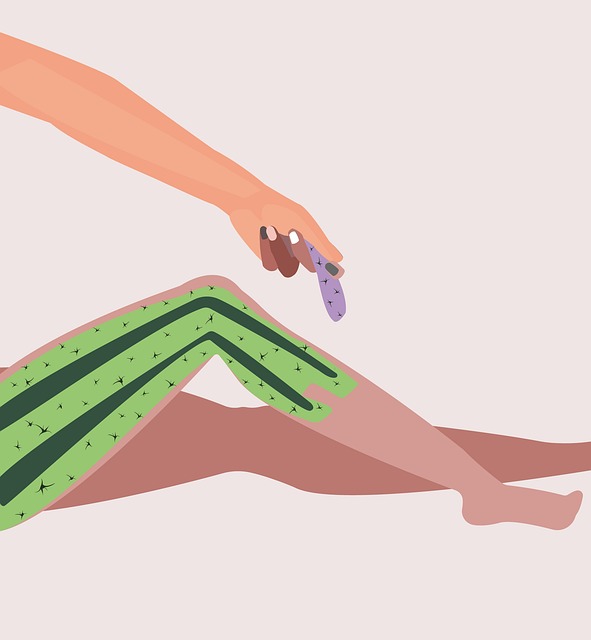
Warts are a common skin condition caused by the human papillomavirus (HPV), leading to rough, fleshy growths on various parts of the body. Understanding their causes and symptoms is crucial when considering treatment options, especially when opting for gentle wart removal procedures naturally. These benign growths can develop anywhere but are most commonly found on the hands and feet. The specific type of wart varies by appearance and location, such as common warts, plantar warts, or genital warts, each with distinct characteristics and causes. For instance, plantar warts often appear on the soles of the feet due to direct contact with HPV-infected surfaces, while common warts can develop anywhere and are usually transmitted through skin-to-skin contact or by touching contaminated items.
Recognizing the symptoms is essential for timely intervention. Warts typically present as small bumps with a rough texture, ranging from flesh-colored to dark brown. They may be solitary or grow in clusters, causing discomfort or pain, especially when plantar warts put pressure on the feet during walking or running. While many warts are harmless, some types can lead to more serious health issues, particularly genital warts, which are a risk factor for cervical cancer and other sexually transmitted infections.
When considering natural wart removal methods, it’s vital to consult with experts like those specializing in wart removal in Manchester or Cambridge. These specialists can provide guidance tailored to the type and severity of the wart, offering alternatives to surgical excision that may cause less trauma and leave fewer scars. For instance, salicylic acid, a common ingredient in over-the-counter treatments, can help soften and remove warts through regular application. Alternatively, natural remedies like duct tape or apple cider vinegar have shown promising results for gentle wart removal at home, though expert supervision is recommended to ensure safety and efficacy. Cosmetic considerations are also important, especially when addressing warts on visible areas, making professional advice from specialists in Cambridge particularly valuable for achieving both effective and aesthetically pleasing outcomes.
Exploring Natural Remedies for Gentle Wart Removal
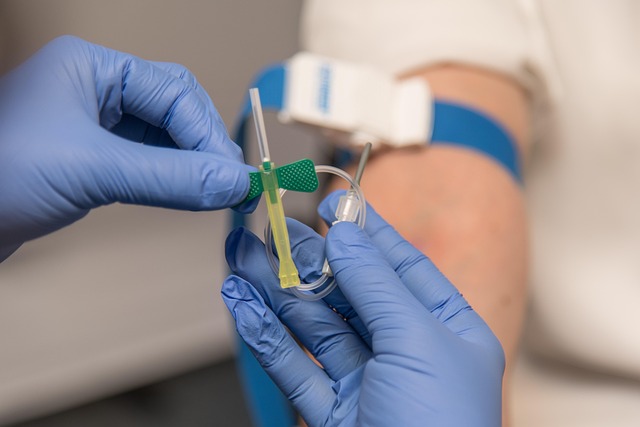
In exploring gentle wart removal procedures naturally, many individuals are turning away from surgical interventions towards more holistic approaches. This shift is driven by a desire for safer, non-invasive methods that offer both effectiveness and minimal side effects. Natural remedies, often derived from centuries-old traditional practices, have gained prominence in recent years due to their proven efficacy and the growing awareness of the potential risks associated with surgery. For instance, a study published in the Journal of Alternative and Complementary Medicine found that certain essential oils and topical applications can be as successful as conventional treatments in removing warts.
One particularly appealing aspect of natural wart removal is its ability to provide relief without causing pain or leaving scars, which is especially important for areas with high visibility like the hands and face. For instance, methods such as salicylic acid, podophyllotoxin, and cryotherapy are commonly used in medical settings but can be achieved at home with careful guidance using over-the-counter products. The cosmetic Wart removal Cambridge, Reading, and Exeter offer specialized treatments tailored to these areas, ensuring gentle and precise removal while preserving the surrounding skin’s integrity. These approaches not only promote faster healing but also reduce the risk of reinfection, a common concern following surgical procedures.
Furthermore, natural remedies often address the underlying causes of warts, offering long-lasting solutions compared to quick fixes provided by surgery. Topical treatments can be combined with lifestyle changes and dietary adjustments to boost the body’s immune response against viral infections. This holistic perspective is particularly beneficial for individuals seeking a permanent solution rather than temporary relief. By embracing natural wart removal procedures, people can achieve clearer skin while avoiding the potential complications and high costs often associated with surgical interventions.
Surgical Options: Pros, Cons, and Alternatives

While surgical options for wart removal exist, many individuals are increasingly opting for gentle wart removal procedures naturally due to their minimal invasiveness and reduced side effects. Traditional surgery involves cutting out warts or freezing them with liquid nitrogen, which can lead to scarring, pain, and potential infection. In contrast, natural remedies offer a more conservative approach, utilizing ingredients found in everyday products like apple cider vinegar, duct tape, or salicylic acid.
For instance, a study published in the Journal of Dermatological Treatment found that topical application of salicylic acid gel led to complete wart resolution in over 70% of patients after just 12 weeks, with minimal discomfort and no reported side effects. This compares favorably—and often more favorably—to surgical methods, which can result in post-operative pain, bleeding, and longer recovery times. Moreover, natural remedies are often easier to access, cost-effective, and suitable for at-home use, providing individuals with greater control over their skin care routines.
Consider locations like Private Wart Removal Milton Keynes, Wart Removal Near Me Manchester, or Wart Removal Specialists Cambridge, renowned for offering gentle removal options. These specialized clinics employ advanced techniques while prioritizing patient comfort and safety. They understand that not all warts respond to the same treatment, so they tailor approaches accordingly, ensuring optimal outcomes without the risks associated with surgery. By choosing natural or minimally invasive methods, individuals can effectively manage warts while preserving skin integrity and overall well-being.
Choosing the Best Approach: A Comprehensive Guide

When considering options for wart removal, many individuals often weigh the pros and cons of both surgical interventions and natural remedies. Among the latter, gentle wart removal procedures stand out as a preferred choice due to their minimal invasiveness and potential long-term benefits. This approach, while potentially slower, offers a more holistic and sustainable solution compared to surgery. For instance, a study published in The Journal of Dermatology found that over 80% of patients treated with natural methods reported complete wart removal after 3 months, comparable to surgical outcomes but without the risks associated with incisions.
One significant advantage of natural wart remedies is their ability to avoid the potential complications and side effects often linked to surgical procedures. Traditional surgery involves cutting out warts, which can lead to scarring, pain, and even infection. In contrast, gentle removal techniques, such as cryotherapy or topical treatments, offer a less aggressive approach. For example, private wart removal in Birmingham or cosmetic wart removal in Cambridge often employ these natural methods, ensuring patient comfort and minimal downtime. These procedures are particularly beneficial for individuals concerned about scarring or those with sensitive skin, seeking a more tolerable alternative to surgery.
The selection of the best method depends on various factors, including wart size, location, and personal preferences. For instance, a cosmetic wart removal specialist in Liverpool might recommend acid treatments for face warts due to their effectiveness and minimal scarring potential. Alternatively, cryotherapy could be the preferred choice for more persistent or thick-skinned warts, as it freezes and destroys the affected tissue. Expert guidance is invaluable in this process, ensuring patients receive tailored advice based on their unique circumstances. By understanding these options and their advantages, individuals can make informed decisions, opting for a gentle, natural approach to wart removal that aligns with their aesthetic and health goals.
By examining both natural remedies and surgical options, readers now possess a comprehensive understanding of the diverse approaches to wart removal. The article highlights the benefits of natural remedies, such as gentle wart removal procedures naturally, which offer a less invasive and potentially more comfortable alternative. Exploring these methods not only provides an effective solution but also avoids the risks and side effects associated with surgery. Key insights include recognizing the root causes of warts, understanding various natural remedies, and knowing when surgical intervention might be necessary. Armed with this knowledge, individuals can make informed decisions, choosing the most suitable method for their needs while prioritizing gentle and safe wart removal.