
Wart recurrence common after removal due to factors like incomplete removal, weakened immune systems, health conditions, and environmental exposures. Gentle wart removal procedures, such as cryotherapy or salicylic acid, and proper aftercare reduce recurrence risk. Balanced diet, exercise, stress management strengthen the immune system. Regular check-ups and advanced treatments for persistent warts recommended.
Warts can be persistent and recurrent, leading many individuals to seek effective strategies for prevention after removal. Gentle wart removal procedures naturally have gained attention due to their minimal side effects and potential long-term solutions. This article delves into the comprehensive guide on preventing warts from returning, offering evidence-based insights and practical tips to help you maintain clear skin. By understanding the root causes and implementing tailored strategies, you can effectively manage and eliminate the risk of recurring warts.
- Understanding Wart Recurrence: Causes & Risk Factors
- Gentle Wart Removal Procedure Naturally: Step-by-Step Guide
- Preventing Future Outbreaks: Post-Removal Care & Strategies
Understanding Wart Recurrence: Causes & Risk Factors
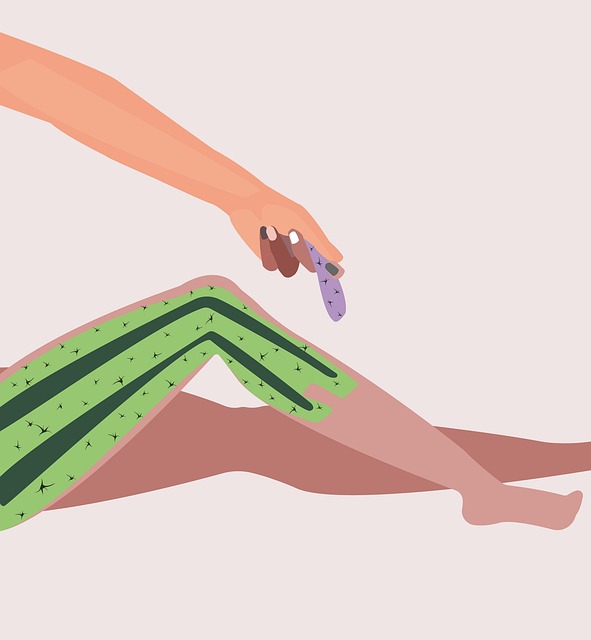
Wart recurrence is a common concern following removal, with many factors influencing the likelihood of new warts developing. Understanding these causes and risk factors is crucial for effective prevention strategies. After all, effective wart removal goes beyond the initial procedure; it involves addressing the conditions that foster their growth.
One primary cause of recurrence lies in incomplete removal. Warts have a tenacious nature, often with deep root structures that can persist beneath the skin’s surface. A gentle wart removal procedure naturally is recommended to minimize damage and reduce the chance of irritation or scarring, but it must be thorough. Incomplete removal leaves behind dormant virus particles, which can reactivate and grow into new warts. This underscores the importance of seeking professional assistance from private wart removal services, such as those available in Glasgow or Birmingham, for accurate diagnosis and safe removal.
Other risk factors include weakened immune systems and underlying health conditions. Individuals with compromised immunity are more susceptible to viral infections, including those that cause warts. Similarly, certain medical conditions like diabetes or autoimmune disorders can increase the likelihood of wart development and recurrence. Environment also plays a role; frequent contact with contaminated surfaces or individuals carrying the virus heightens the risk. For instance, a study found that athletes engaging in close physical contact had significantly higher rates of wart transmission. Thus, awareness of these factors is key to implementing preventive measures tailored to individual needs, potentially through regular Wart Removal Reading sessions or private treatments in major cities like Glasgow and Birmingham.
Gentle Wart Removal Procedure Naturally: Step-by-Step Guide

Preventing warts from returning after removal requires a multi-faceted approach, with a strong emphasis on gentle wart removal procedures. When considering options like wart removal near me Bristol, cosmetic wart removal Bournemouth, or wart removal Leicester, opting for natural, non-invasive methods can be highly effective and minimize the risk of recurrence. Here’s a step-by-step guide to achieve this:
Start by understanding that warts are caused by certain types of human papillomaviruses (HPV). Gentle removal procedures aim to eliminate the wart without damaging surrounding skin or triggering an immune response that could lead to further growth. The first step is to consult a professional, such as those available at specialist clinics in Bristol, Bournemouth, or Leicester, who can accurately diagnose and advise on the best course of action.
Next, choose a gentle method like cryotherapy (freezing) or salicylic acid. Cryotherapy involves applying liquid nitrogen to freeze and destroy the wart. This procedure is relatively painless and can be done in a doctor’s office. Salicylic acid, available over the counter, works by dissolving the dead skin cells of the wart. Application instructions must be followed precisely for optimal results. For instance, soaking the affected area in warm water before applying salicylic acid can enhance its effectiveness.
After removal, maintain good hygiene and keep the treated area clean to prevent reinfection or the spread of HPV to other parts of your body or others. Avoid scratching or touching the wart, and always wash your hands thoroughly after any contact. Using a bandage or protective covering can also help protect the skin during healing.
Lastly, focus on strengthening your immune system to fight off future HPV infections. This includes maintaining a balanced diet rich in vitamins and minerals, staying hydrated, getting regular exercise, and managing stress levels. In some cases, healthcare professionals may recommend supplements or topical treatments to boost immunity. Regular check-ups with a dermatologist can also help catch any new warts early, increasing the effectiveness of treatment.
Preventing Future Outbreaks: Post-Removal Care & Strategies
After successfully removing a wart, preventing its return is crucial to avoid recurring episodes. This involves adopting a comprehensive post-removal care strategy and implementing effective strategies to stop future outbreaks. A gentle wart removal procedure naturally, such as those offered by specialist clinics like private Wart Removal Liverpool or Wart Removal Oxford, minimizes skin trauma, reducing the likelihood of reoccurrence.
The first step in prevention is proper aftercare. Keeping the treated area clean and dry is essential. Patients should gently wash the affected region with mild soap and water, avoiding harsh scrubs that could irritate the skin. Following cleaning, applying a sterile bandage or using over-the-counter protective products can shield the wart from re-infection. It’s important to change these protections regularly to maintain hygiene.
Additionally, strengthening the immune system plays a vital role in preventing wart return. Maintaining a balanced diet rich in vitamins and minerals supports overall health and helps the body fight off viral infections. Regular exercise further bolsters immunity while managing stress levels is key, as stress can weaken the immune response. In cases where warts persist or reappear frequently, consulting with a healthcare professional for advanced treatments, such as those available at cosmetic Wart Removal Milton Keynes, may be necessary to address underlying conditions and achieve long-term relief.
By understanding the causes and risk factors of wart recurrence, readers can proactively prevent future outbreaks. The article’s key insights emphasize the importance of a gentle wart removal procedure naturally as a safe and effective method. This step-by-step guide not only ensures minimal discomfort but also promotes faster healing. Additionally, implementing post-removal care strategies is crucial for long-term prevention. Through consistent monitoring, proper hygiene, and regular nail care, individuals can significantly reduce the likelihood of warts returning. These practical takeaways empower readers to take control of their skin health, offering a comprehensive approach to managing and preventing wart recurrences.